
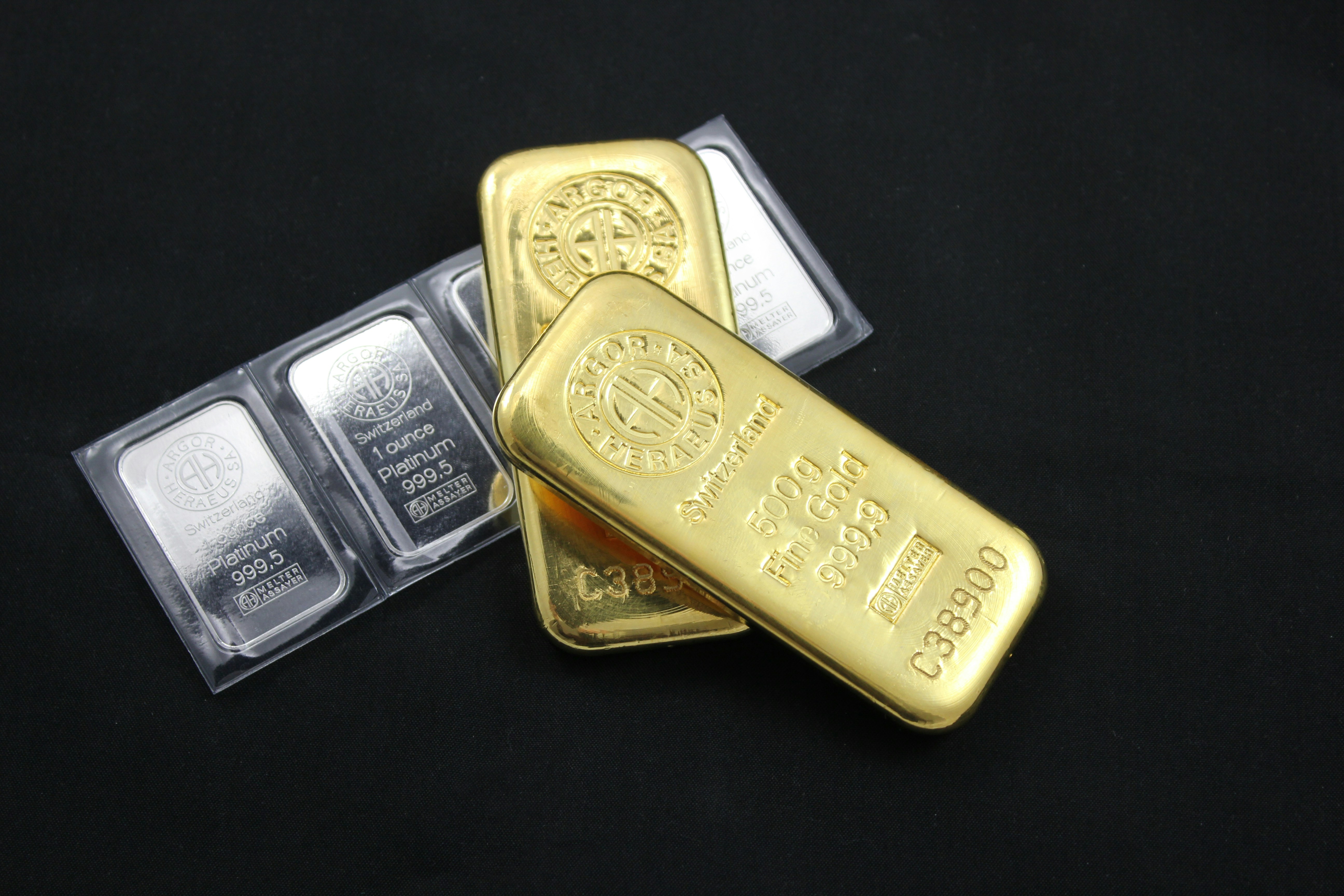
In recent years, the renewed rise in gold and silver prices has drawn increased attention.
Gold, Silver, and Real Estate: Choosing a Home in an Inflationary Era
In recent years, rising gold and silver prices have attracted renewed global attention. Around 2015, gold was trading at approximately ¥4,000 per gram. By 2026, the price has surged past ¥20,000 per gram and is approaching ¥30,000—an increase of nearly five times. Silver has followed a similar trajectory, climbing from roughly ¥60–70 per gram in 2015 to over ¥500 today. This sharp rise cannot be explained by jewelry or industrial demand alone.
The driving forces behind this trend are inflation and growing concerns about declining currency value.
Why Cash Is Losing Value
Holding cash or bank deposits is no longer considered a safe strategy for preserving wealth. As inflation progresses, purchasing power steadily erodes. For example, if someone held ¥100 million in cash in 2015, the amount of gold that sum could buy today would be significantly lower. The same is true for real estate: many urban condominiums that were affordable for ¥100 million a decade ago are now far out of reach. While the face value of cash remains unchanged, its real value has clearly diminished.
How Inflation Is Changing the Housing Market
This shift in thinking is increasingly reflected in the housing market. Despite rising living costs, prices for newly built condominiums in the Tokyo metropolitan area and other major cities continue to remain high. Although some claim these properties are “overpriced,” demand for high-quality real estate has not declined.
What has changed is the nature of demand. While fewer people can afford to buy, those who can are purchasing more decisively. In highly liquid urban markets such as Tokyo, many buyers view real estate as a tangible asset and an effective hedge against inflation. Rather than speculative investments aimed at short-term gains, these purchases are often defensive—intended to protect asset value from inflation. In many cases, this strategy has resulted in long-term wealth preservation and growth.
This mindset closely mirrors the reasons investors choose gold and silver.
Real Estate as a Store of Value
Assets today are increasingly held not to grow wealth aggressively, but to protect it. Housing is beginning to play the same role as precious metals: a store of value in uncertain economic times.
However, not all real estate qualifies as a safe asset. Just as gold is evaluated by purity and liquidity, real estate must meet strict criteria, including location, market size, and resale potential. As a result, capital is concentrated in a limited number of properties that meet these conditions.
Regional Real Estate Trends in Japan
This trend is not limited to Tokyo. In the Kansai region, prices are rising in central Osaka and select areas of Kyoto, while many suburban areas are experiencing reduced supply and stagnant prices. Market valuations are becoming increasingly polarized, even within the same region.
Choosing Between Expensive and Cheap Properties
Feeling uneasy about purchasing high-priced real estate is natural. However, choosing a cheaper property also carries risks—particularly the risk of declining asset value. Lower-priced properties are often located in areas facing population decline, where demand may weaken significantly in five to ten years, leaving owners with limited resale options.
In today’s real estate market, choosing a home means comparing two risks: purchasing an expensive property or buying a cheaper one while accepting the possibility of long-term value erosion.
Rethinking High Condominium Prices
Before dismissing high new condominium prices as dangerous, it is important to ask why these properties continue to attract buyers. Understanding this shift in demand and the role of real estate as an inflation hedge is essential for making informed housing decisions in the years ahead.
For additional information or any questions please contact us here
Email: info@remax-apex.com