
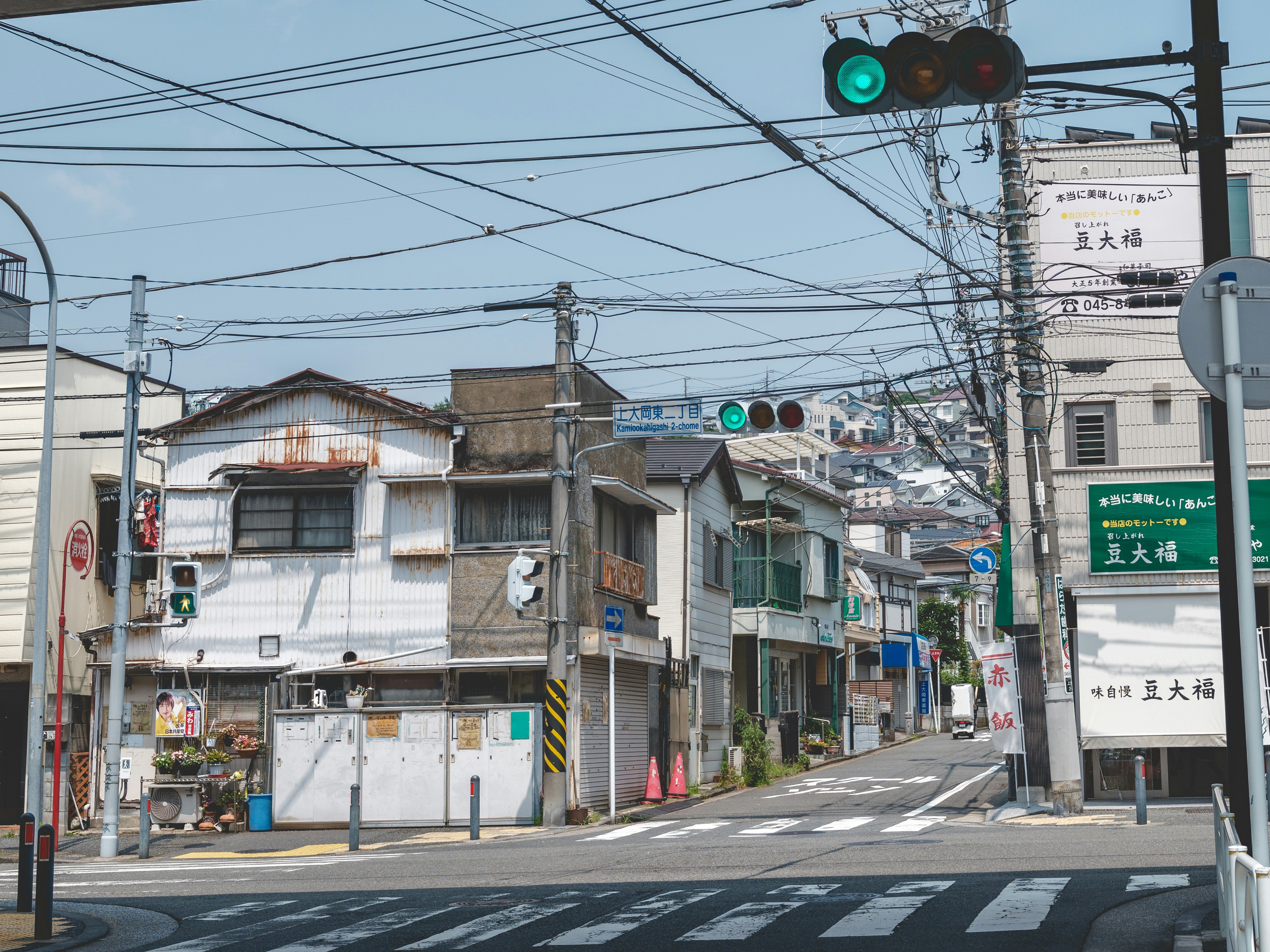
Have you heard of the “Hilly Town Kobe Project”? This initiative by the city of Kobe views the city’s many slopes not as a “weakness” but as a “charm.” Aiming to create a city where people can continue living comfortably, the project leverages the city’s unique geography through mobility support and residential environment improvements. It offers a new perspective on rethinking the “pros and cons” we often take for granted when choosing a place to live.
In real estate, “location” is the most critical factor in determining value. Areas that are close to train stations, have many commercial facilities, and offer flat, easy-to-navigate streets are considered highly convenient and tend to maintain stable property values. However, such convenient locations often come with downsides like noise, congestion, and heavy foot traffic—factors that can make everyday life less comfortable. The convenience of living near a station often comes at the cost of a peaceful residential environment.
This duality—pros and cons—is also evident in topography. Residential areas on elevated ground are a prime example. In the past, the benefits of living on a hill—such as panoramic views of the ocean or city, good ventilation, and distance from urban noise—were highly valued. In fact, up until around the bubble era, homes located on high ground were seen as more prestigious, and even suburban developments in hilly areas were once celebrated as desirable “new towns.”
However, times change. With the rise of dual-income households, factors like proximity to train stations and access to childcare facilities—essentially, “mobility efficiency”—have become more important. On top of that, with an aging population, hilly locations have come to be seen as physically burdensome and are increasingly avoided. As a result, elevated suburban areas have gradually fallen out of favor, experiencing “shrinkage” phenomena such as an increase in vacant homes and declining land values.
On the other hand, hilly residential areas in central Tokyo have followed a different historical path. For example, Koishikawa and Hongo in Bunkyo Ward, Azabudai and Akasaka in Minato Ward, and Shoto and Yoyogi-Uehara in Shibuya Ward—these are all neighborhoods that have long maintained their status as prestigious residential districts. These areas sit atop the Musashino Plateau, known for its stable ground (Reference: J-SHIS, Japan Seismic Hazard Information Station). Even after the bubble era, these neighborhoods saw only limited land price declines, and their living environments and brand value remained strong. This resilience is due not only to location but also to the peace of mind that comes from being on solid, disaster-resistant ground.
In other words, being located on elevated ground has not always been a disadvantage. While some suburban highland areas have seen waning demand, rising awareness of disaster preparedness has led to renewed interest in factors such as “ground stability” and “low flood risk.” As a result, some of these suburban hillside areas may once again attract attention. We should also recognize that central hilltop neighborhoods like Azabudai and Shoto developed as luxury residential zones precisely because of their strong geological conditions.
Of course, living on a slope isn’t suitable for everyone. For seniors or families with young children, it can pose a significant burden, and the overall layout of daily life needs to be carefully considered. However, precisely because of such perceived “drawbacks,” properties in these areas can often appear more affordable. In less popular locations, there may be hidden gems that offer strong asset value and excellent environmental conditions.
When buying a home, what’s important is not “finding the perfect property” but rather “identifying the values you’re not willing to compromise on.” If convenience—like being near a train station—is a top priority, then noise and crowding must be accepted. If you want a quiet lifestyle, then some degree of inconvenience must be tolerated. Merits and demerits are inseparable; they are two sides of the same coin. What leads to a truly satisfying home purchase is the perspective of asking, “Does the merit outweigh the demerit?”
Just as Kobe City is finding value in its hilly terrain and addressing it with care, we too must reconsider how we evaluate the “drawbacks” of a property or area. Sometimes, it’s precisely beyond the perceived disadvantages that true value begins to emerge.

For additional information or any questions please contact us here
Email: info@remax-apex.com